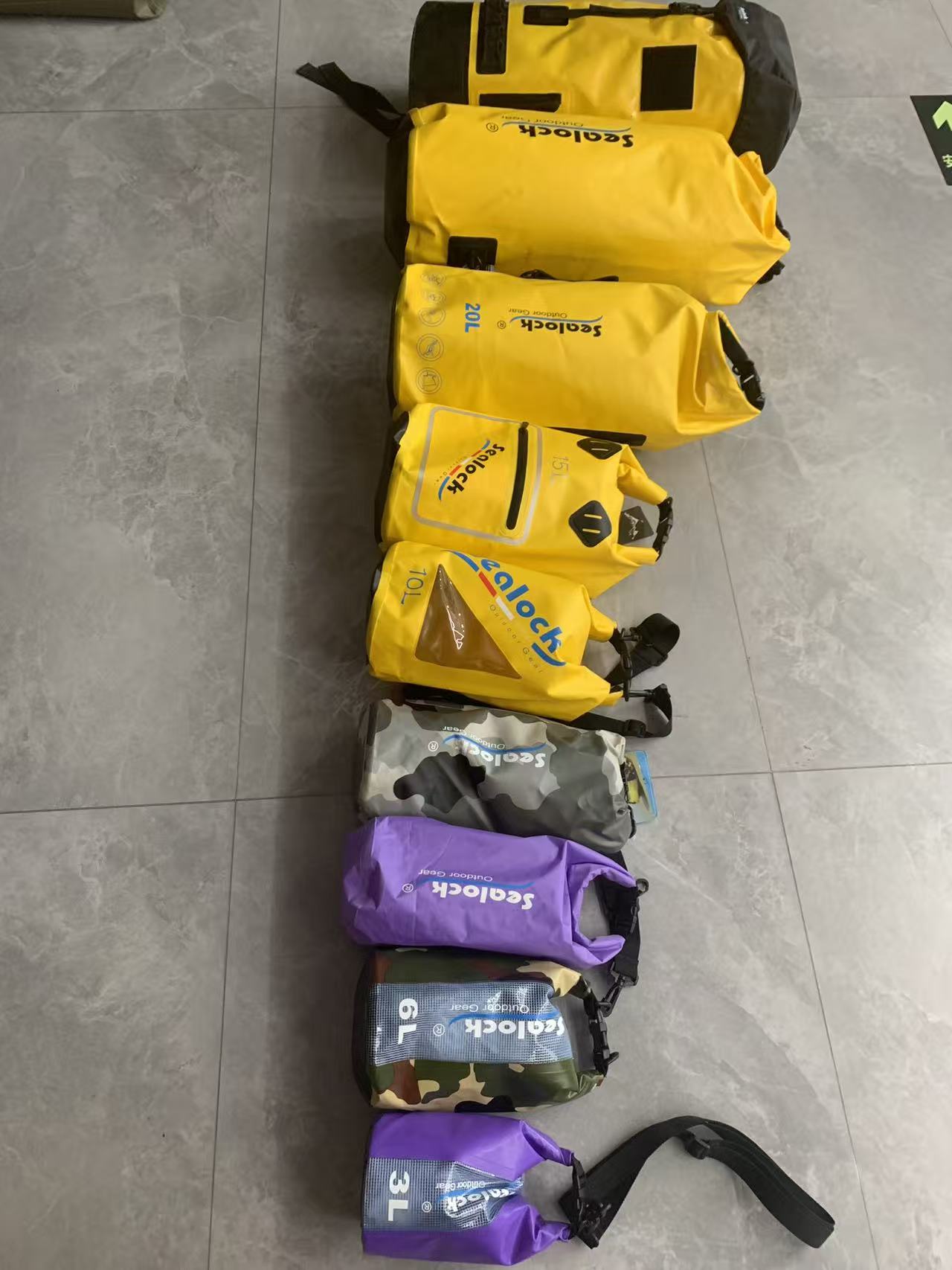
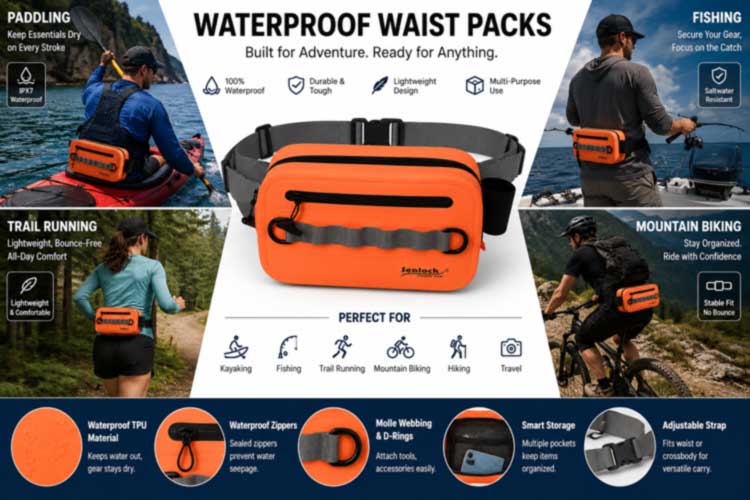
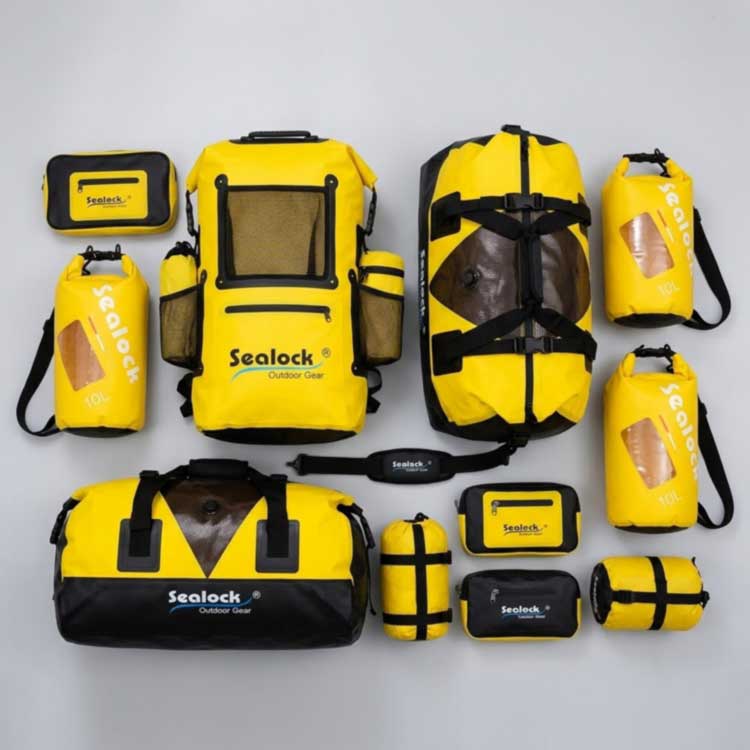
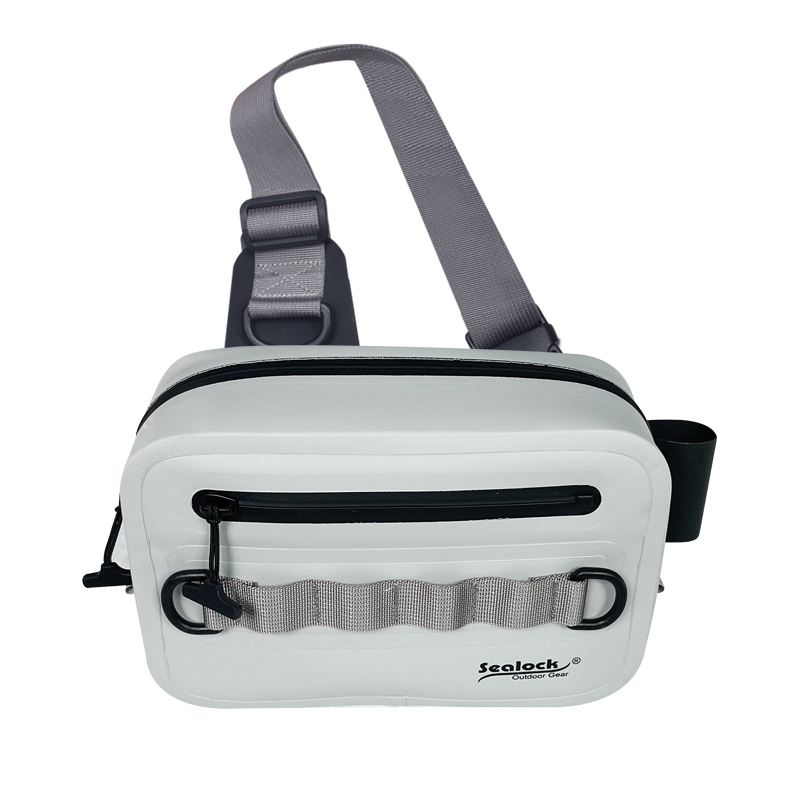
防水アウトドア用品の工場監査のほとんどは、設備の能力に止まります。つまり、施設に RF 溶接機があるか、何デニールの生地を在庫しているか、見積数量を達成できるかなどです。これらは必要な質問です。それらも不十分なものです。このガイドでは、経験豊富な調達管理者が製造能力を超えて評価する 3 つの監査側面について説明します。それは、持続可能性コンプライアンスのための材料トレーサビリティと GRS 認証、RF 溶接製造に適用される ISO 9001 品質管理システム (認証プレートだけでなく)、およびサプライ チェーンが主要な小売パートナーや世界的なブランド標準チームからの精査に耐えられるかどうかを判断する社会的コンプライアンス インフラストラクチャ (BSCI、SMETA 対応状況、労働文書) です。
プロ仕様の防水アウトドア用品を供給するブランドにとって、製造パートナーの RF 溶接能力は、その背後にあるプロセス規律と同じくらい意味があります。この記事では、RF 溶接が生産規模で一貫したゼロリーク結果を生み出すかどうかを決定するエンジニアリング パラメータについて説明します。つまり、27.12 MHz の内部分子加熱と表面熱結合の物理学、840D 高強度 TPU の溶接時に必要な狭い校正ウィンドウ、制御された生産環境と一貫性のない生産環境を分ける 3 つのプロセス変数、および 1.0 Bar の静水圧試験で完成した溶接について実際に確認される内容について説明します。
防水製品の故障のほとんどは生地に起因するものではありません。それらは縫い目から始まります。この記事では、アウトドア用品における RF 溶接と従来の縫製との実用的および技術的な違いを詳しく説明し、圧力下での防水性能、現場でのストレスサイクルによる長期耐久性、材料の適合性、生産コストの現実、各方法が適切な選択となる具体的なシナリオについて取り上げます。 OEM バイヤーがメーカーのシーム構造能力を評価するための直接比較表とガイダンスが含まれています。
A:The factory floor doesn't tell you where the market is heading—the buyer conversation does. Across six stops in 2025, from ISPO Munich to Beijing, Vietnam, and Hong Kong, one thing became clear: the rules of OEM partner selection have fundamentally changed. European buyers are rejecting generalists. Procurement officers are treating vendor selection like financial due diligence. And the pressure to de-risk single-country supply chains has made the China-Vietnam dual-base model not a preference, but a requirement. Here's what the most demanding global buyers are actually asking for—and what it means for sourcing strategies heading into 2026.
この包括的な技術レポートは、防水機器業界における従来のポリマーから PFAS フリー TPU への重要な移行を分析しています。私たちは、非フッ素化ムーブメントを促進する環境上の義務、27.12 MHz 高周波溶接における TPU の分子的利点、持続可能なギアがプロフェッショナル グレードの 1.0 バールの水中基準を満たすことを保証するシーロックの厳格な品質プロトコルを詳しく掘り下げます。
Not all waterproof seams are created equal—and the difference isn't visible until a product fails in the field. Conventional heat sealing bonds materials at the surface. High-Frequency welding at 27.12 MHz does something fundamentally different: it agitates molecules from within, creating a structural fusion that is frequently stronger than the base fabric itself. For OEM buyers specifying IPX7 or IPX8-rated gear, understanding this distinction isn't a technical detail—it's the difference between a product that survives a season and one that delaminates after three months. Here's how the technology works, why frequency matters, and what it means for your production quality standards.